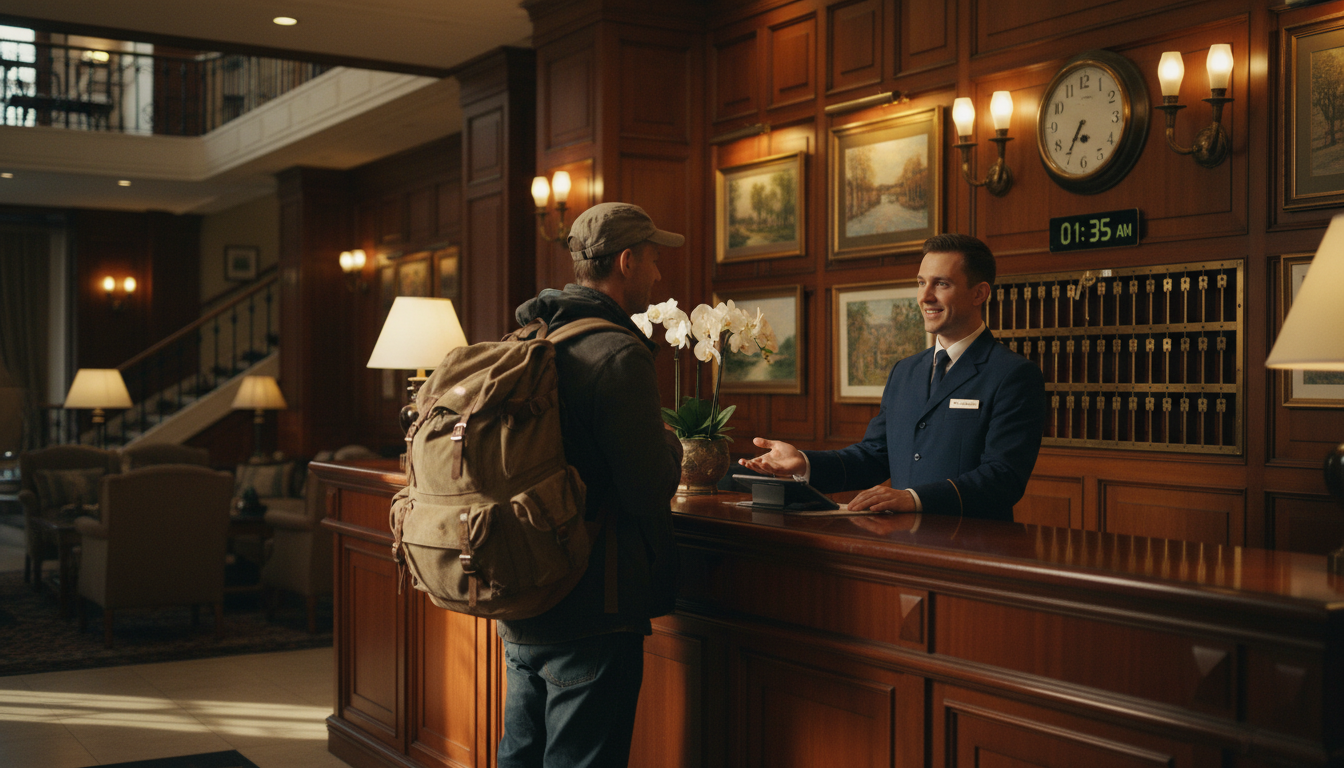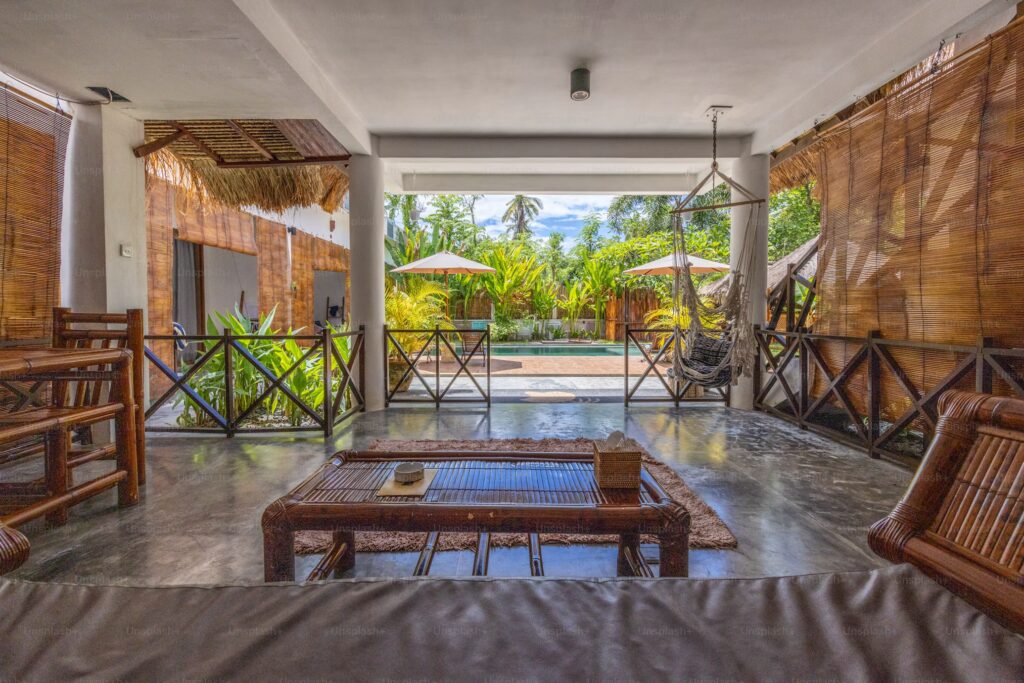
Have you ever walked into a seemingly bustling hotel, only to wonder how many of those rooms are actually occupied? While hotels might appear fully booked to the naked eye, the reality is that many often struggle with empty rooms. This presents a unique challenge for the hospitality industry, as managing occupancy rates is critical to maximizing revenue. For travelers, however, this phenomenon can provide opportunities for better deals and more flexible options.
This blog explores the factors that contribute to hotels have empty rooms, how hotels are adapting to reduce vacancies, and what the future holds for occupancy trends. If you’re a travel enthusiast, budget traveler, or business traveler, you may even find ways to benefit from this insider knowledge.
Factors Contributing to Empty Hotel Rooms
Hotel occupancy rates are influenced by several interconnected factors. These can vary from seasonal trends to broader economic conditions, shaping when and why hotel rooms remain vacant.
Seasonal Fluctuations and Local Events
The Time of Year Matters:
Seasonality is one of the most significant factors affecting hotel room occupancy. During peak seasons—such as summer vacations or holiday periods—hotels in popular destinations tend to be fully booked. However, during the off-season, those same hotels may struggle to fill rooms. For instance, beach resorts often experience high demand in summer but face much lower bookings in winter.
Local Events Drive Demand:
Major local events like festivals, conferences, or concerts can create spikes in bookings, often leading to fully occupied hotels. However, in the absence of such events, even centrally located accommodations may experience vacancies. This dynamic creates a cyclical trend for hoteliers to plan around.

Economic and Business Factors
Economic Downturns:
Global or regional economic slowdowns significantly impact hotel occupancy rates. During uncertain economic times, both leisure and business travelers tend to cut back on spending, leading to more vacant rooms. For example, the global downturn during the COVID-19 pandemic led to unprecedented low occupancy rates worldwide.
Shifts in Business Travel Patterns:
Business travel is another critical driver of hotel bookings. Large conferences, executive meetings, and corporate retreats account for a substantial portion of hotel revenue. However, when businesses adopt cost-saving measures or shift toward virtual meetings (a trend accelerated by the pandemic), demand for hotel rooms in urban areas drops considerably.
Online Travel Agencies (OTAs) and the Sharing Economy
Changing Booking Behaviors:
The rise of online travel agencies (OTAs) like Booking.com and Expedia has revolutionized the way people book hotels. While these platforms drive significant traffic to hotel listings, they also foster fierce competition. Hotels might observe fluctuating bookings depending on their ranking and pricing strategy on these platforms.
Competition from the Sharing Economy:
Platforms like Airbnb and Vrbo have introduced a new layer of competition, making it easier for budget-conscious and experience-driven travelers to choose alternative accommodations. When travelers opt for sharing economy options, it can leave traditional hotel rooms unoccupied, particularly during non-peak periods.
Solutions and Strategies for Hotels
To combat empty rooms and ensure consistent revenue, hotels have adopted a variety of creative strategies. These approaches not only help fill rooms but also enhance the traveler experience.
Dynamic Pricing
Dynamic pricing has become a game-changer for the hospitality industry. By using real-time data on demand, seasonality, and competitor pricing, hotels can adjust their rates to attract bookings at the right time. For example, during off-peak seasons, hotels might lower prices to entice budget travelers who wouldn’t otherwise book a stay. Conversely, during high-demand periods, they can increase prices to maximize revenue.
Many hotels now use advanced algorithms and AI-based tools to make pricing decisions, ensuring they remain competitive while minimizing the number of empty rooms.
Targeting Niche Markets
Hotels can also reduce vacancies by identifying and catering to niche markets. For example:
- Digital Nomads: Providing coworking spaces, fast Wi-Fi, and long-stay discounts to appeal to remote workers.
- Pet Owners: Introducing pet-friendly amenities to attract travelers with animals.
- Wellness Seekers: Offering spa packages, yoga classes, and organic dining options to tap into the growing wellness tourism market.
By addressing niche needs, hotels can build customer loyalty and attract guests even during slower periods.
Marketing and Promotions
Effective marketing is another key strategy for filling empty rooms. Some tactics include:
- Social Media Campaigns: Engaging travelers with discounts, giveaways, or inspirational travel content.
- Loyalty Programs: Rewarding repeat guests with exclusive perks like free upgrades or late checkouts.
- Strategic Partnerships: Partnering with airlines, travel agents, or event organizers to drive bookings.
These targeted efforts emphasize value and personalized experiences, encouraging travelers to choose one hotel over another.
The Future of Hotel Room Occupancy
The hospitality industry is continually evolving. New trends and technologies promise to reshape how hotels manage occupancy rates and adapt to changing traveler preferences.
Predictions and Trends
Smart Technology Integration:
AI and IoT (Internet of Things) technologies are expected to play a larger role in hotel management. Smart systems can predict room demand with greater accuracy, optimize energy use in unoccupied rooms, and improve the guest experience through automated personalization.
Hybrid Meetings and Events:
With hybrid work taking off, hotels are now creating spaces that cater to both in-person and virtual attendees. Meeting rooms equipped with state-of-the-art video conferencing tools are becoming increasingly popular, helping hotels capture new revenue streams while addressing reduced business travel.
Sustainability and Alternative Uses
Repurposing Unused Spaces:
Hotels are exploring creative ways to use their unoccupied spaces. For example, some are converting empty rooms into temporary coworking spaces for local professionals. Others are renting out rooms as photo shoot locations or short-term office spaces.
Minimal Environmental Impact:
Sustainability is now a crucial focus for many hotels. By implementing energy-saving measures and reducing waste in unused rooms, hotels can not only reduce costs but also build goodwill among eco-conscious travelers.
Optimizing Your Stay and Support for Hotels
For travelers, understanding the dynamics behind hotel room occupancy can help you plan smarter trips. Consider booking during the off-season to score great deals or taking advantage of last-minute discounts on empty rooms.
For hotels, staying competitive in today’s market requires a combination of dynamic pricing, niche targeting, and innovative marketing. Technology and adaptability are the cornerstones of success in reducing empty rooms and improving guest satisfaction.
Whether you’re filling rooms or finding them, the key lies in preparation and flexibility. Got thoughts or tips on optimizing hotel stays? Leave a comment below—we’d love to hear from you!