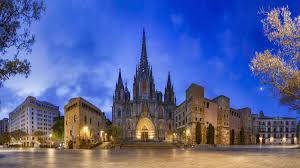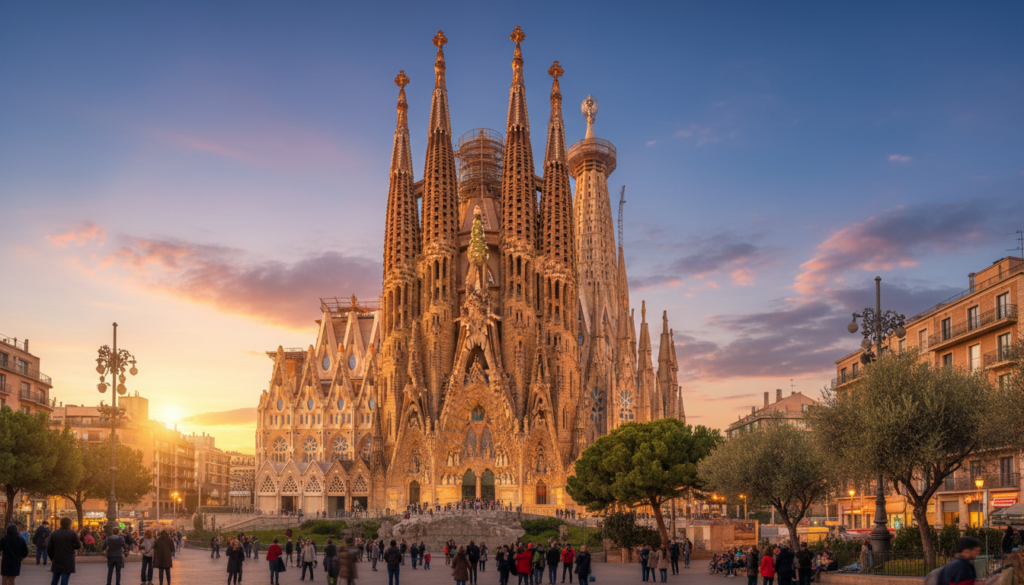
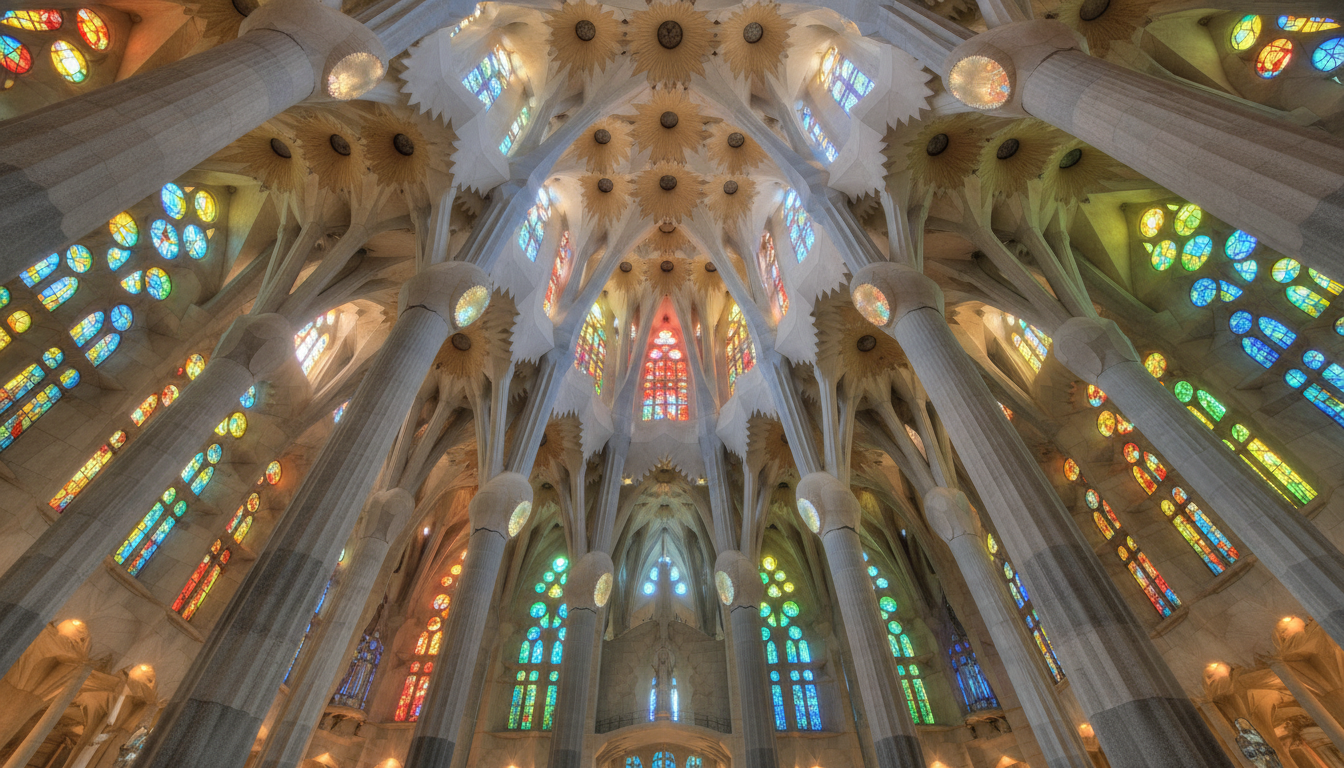
Rising like a colossal stone forest amidst the grid-like streets of the Eixample district, the Sagrada Familia Barcelona stands as a testament to the limitlessness of human imagination and the depth of spiritual devotion. For over 140 years, this architectural marvel has been a work in progress, evolving from the visionary sketches of Antoni Gaudí into an international icon that defies traditional categorization. To visit the Basílica i Temple Expiatori de la Sagrada Família is not merely to see a building; it is to witness a living organism of stone and light that continues to grow, breathe, and inspire wonder in every soul that passes through its towering portals.
The Visionary Behind the Sagrada Familia Barcelona
The story of this masterpiece is inseparable from the life of Antoni Gaudí, the father of Catalan Modernism. While the project began in 1882 under the architect Francisco de Paula del Villar, it was Gaudí who took the reins a year later and completely transformed the design. Gaudí saw himself as God’s architect, believing that nature was the ultimate expression of the divine. He moved away from the rigid lines of traditional Gothic architecture, opting instead for organic shapes, hyperboloids, and parabolic arches that mimicked the growth of trees and the curves of the human body. He spent the final years of his life living on-site, fully consumed by the project, knowing well that he would never see its completion.
A Narrative Carved in Three Facades
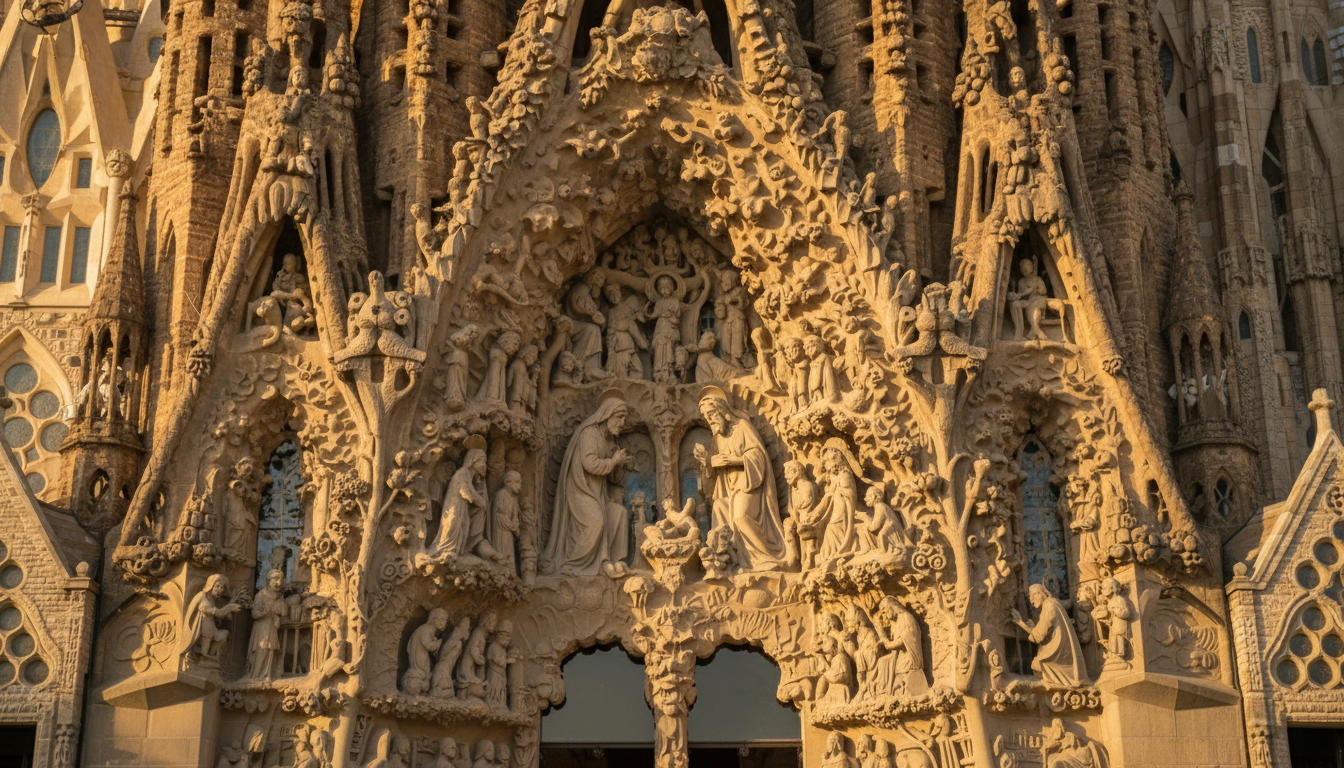
Gaudí intended the exterior of the basilica to serve as a visual Bible, telling the story of Christ through intricate sculptures and symbolic geometry. The building is designed with three grand facades, each representing a pivotal stage in the life of Jesus. These facades are not merely decorative; they are immersive narratives that demand the viewer’s time and contemplation.
The Nativity Facade
The Nativity Facade is the only portion of the exterior that was largely completed under Gaudí’s direct supervision. Facing the east to greet the rising sun, it is an explosion of life and joy. The stonework is so dense with detail that it appears to be melting or growing like moss. Here, you will find depictions of the birth of Christ surrounded by flora and fauna native to Catalonia, symbolizing the unity of all creation. The intricate carvings of shepherds, kings, and celestial musicians are framed by pillars that rest on the backs of tortoises, representing the endurance of time and the stability of the earth.
The Passion Facade
In stark contrast to the lushness of the Nativity, the Passion Facade on the western side is austere, skeletal, and haunting. Designed to represent the suffering and crucifixion of Christ, its harsh, angular lines and bare stone are meant to evoke pain and sacrifice. The sculptures here, created by Josep Maria Subirachs, are controversial for their modern, cubist style, yet they perfectly capture the gravity of the narrative. The facade faces the setting sun, utilizing the dramatic shadows of dusk to accentuate the tragedy of the crucifixion scene, creating a powerful emotional impact on all who view it.
Why You Must Visit
No trip to Catalonia is complete without standing in the shadow of the Sagrada Familia Barcelona. It remains one of the few places on earth where the unfinished nature of the structure adds to its mystique, serving as a bridge between the past, the present, and the divine future.
Recommended European Itinerary:
Planning a multi-city European tour? Don’t miss our guide:
One Week in Paris: The Ultimate Local Guide (2025)