Introduction
Spanish street food cuisine is a delightful tapestry woven with rich flavors, regional specialties, and vibrant ingredients. One of the most exciting aspects of this delicious culture is its street food scene, which offers a unique glimpse into the heart of Spain’s culinary heritage. From bustling markets to lively street corners, street food in Spain is an experience not to be missed.
Whether you’re wandering the streets of Barcelona or hopping through the plazas of Madrid, diving into local cuisine through street food allows you to savor authentic flavors while engaging with the culture around you. As you explore this guide, you’ll discover why street food is essential to your travel experience, along with key insights into popular dishes, cities, events, and safety tips.
Let’s embark on this delicious journey through Spain’s street food culture!
Section 1: Why Choose Street Food?
Choosing street food during your travels in Spain comes with an array of benefits that can enhance your overall experience:
- Affordable Options: Street food is often budget-friendly, allowing you to fill up without emptying your wallet. This is especially beneficial for travelers looking to explore multiple dishes without compromising on quality.
- Authentic Local Flavors: Street food presents a genuine taste of local cuisine. Many street vendors have been cooking traditional recipes for generations, ensuring that each bite is packed with heritage and authenticity.
- Opportunities for Cultural Immersion: Eating street food opens doors to interact with locals, learn about their culinary traditions, and immerse yourself in the vibrant atmosphere of Spanish life.
While indulging in street food, it’s essential to keep safety in mind. Here are a few tips:
- Choose busy stalls with a high turnover of food; this is a good indicator that the food is fresh.
- Check for hygiene ratings if available, and pay attention to the cleanliness of the stall.
- Observe how the vendor handles food and their cooking processes to ensure safety.
Section 2: Popular Street Foods Across Spain
Spain boasts a diverse array of street foods, each with its own unique flavor profile and cultural significance. Here are some iconic Spanish street foods you must try:
Tapas
Tapas are small dishes that can range from simple olives to elaborate seafood presentations. Originating in Andalusia, these dishes are perfect for sharing and sampling a variety of flavors in one sitting. They can be found in tapas bars, local markets, and even as street food in busy plazas throughout Spain.
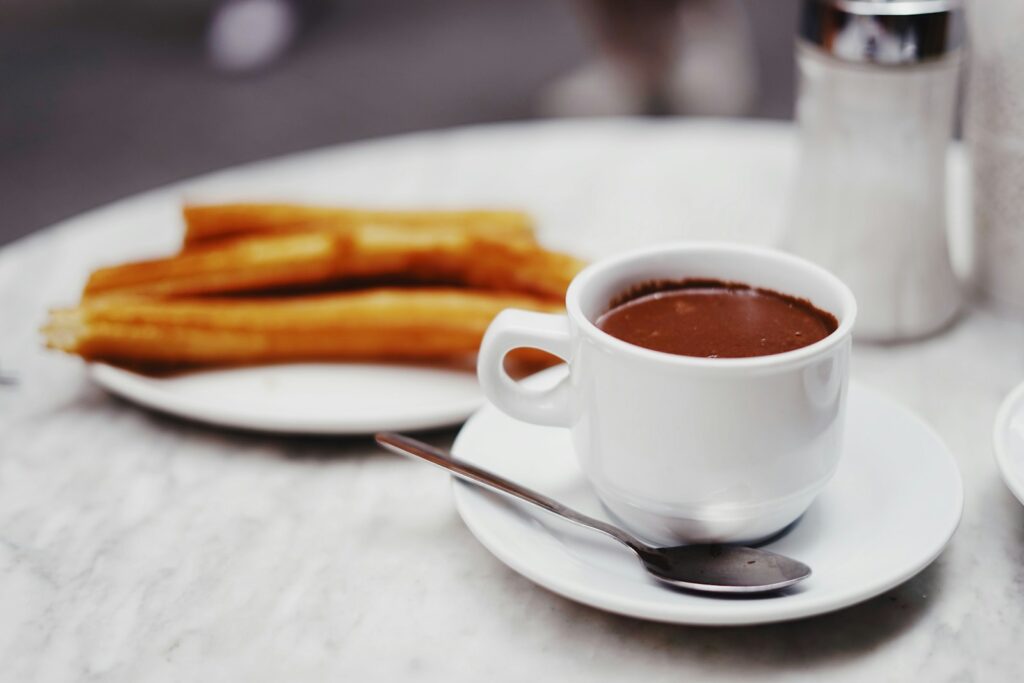
Churros with Chocolate
This beloved Spanish treat consists of fried dough pastries, often served with a rich, thick chocolate sauce for dipping. Churros are a popular breakfast or snack option, particularly in Madrid, where you can find dedicated churro stands such as Chocolatería San Ginés, where locals and tourists alike indulge in this sweet delight.
Bocadillos
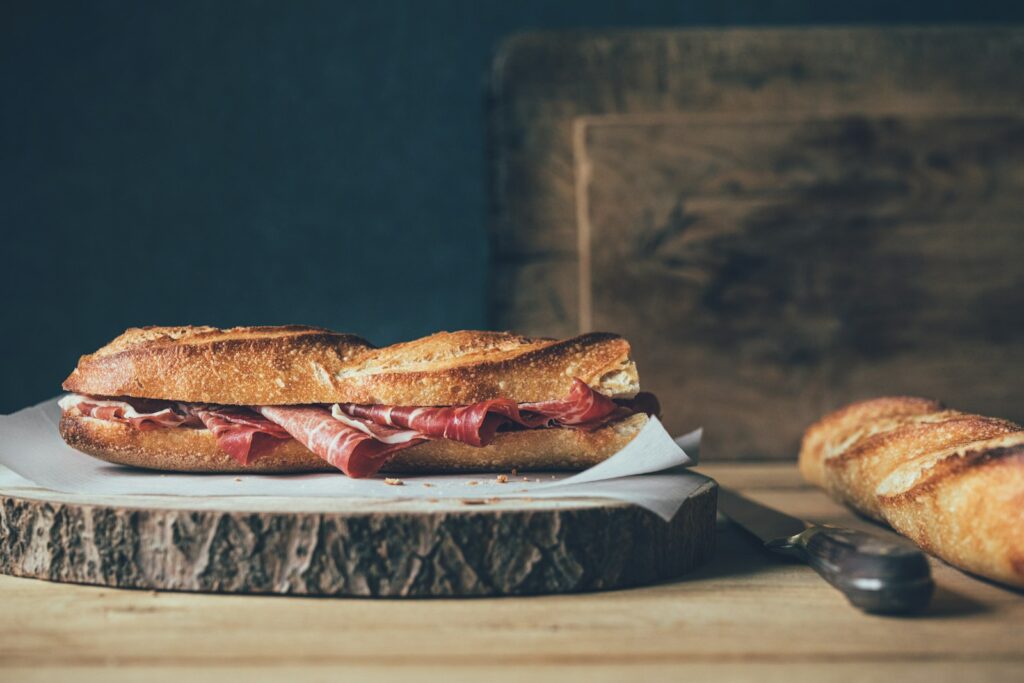
Bocadillos are delicious sandwiches crafted from crusty bread and filled with various ingredients such as cured meats, cheese, or seafood. These portable meals are especially popular in cities like Barcelona and Madrid, where you can find them at street vendors, markets, and local cafés.
Section 3: Best Cities for Street Food in Spain
Spain is home to vibrant cities known for their tantalizing street food scenes. Here are some of the top destinations to explore:
Barcelona
Barcelona is renowned for its tapas bars and bustling markets. The famous Mercat de Sant Josep de la Boqueria is a must-visit, where you can sample a variety of local delicacies from fresh seafood to artisanal cheeses. Strolling through the streets of El Raval and Gràcia will also lead you to numerous street vendors offering mouthwatering options.
Madrid
The capital city of Madrid is a haven for churro lovers. You can find traditional churro stands throughout the city, but the most popular is the iconic Chocolatería San Ginés near Plaza Mayor. Additionally, the Mercado de San Miguel offers a vibrant atmosphere filled with a variety of food stalls, making it an excellent spot for street food aficionados.
Seville
Seville is famous for its unique local specialties such as pescaíto frito (fried fish) and montaditos (small sandwiches). The Feria de Abril (April Fair) is a great time to explore street food, as many stalls pop up offering traditional dishes that celebrate Andalusian culture.
Section 4: Street Food Events and Festivals
Cultural festivals across Spain celebrate the rich street food heritage. Here are a couple of notable events:
La Tomatina
Held in Buñol, La Tomatina is a unique festival where participants throw tomatoes at each other in a spirited food fight. While it’s primarily a fun event, you can also find numerous food stalls serving delicious local treats before and after the tomato-throwing festivities.
Mercat de Sant Josep de la Boqueria
This famous market in Barcelona is not just a feast for the eyes; it’s a vibrant celebration of street food. From fresh produce to artisanal tacos, the market showcases a multitude of flavors and culinary traditions, making it a must-visit for food lovers.
Section 5: Tips for Enjoying Street Food Safely
To fully enjoy your street food experience while prioritizing safety, consider the following tips:
- Look for busy stalls: A high volume of customers is often a sign of freshness and quality.
- Check hygiene ratings: Many regions in Spain provide hygiene ratings for food vendors. Look for those with high ratings for peace of mind.
- Trust your senses: If something looks or smells off, it’s best to avoid it.
- Stay hydrated: Enjoying street food can be hot work! Be sure to drink plenty of water, especially during the warmer months.
Section 6: Pairing Street Food with Local Drinks
No culinary experience in Spain is complete without sipping on some traditional beverages that pair beautifully with street food. Here are a few recommendations:
Sangria
This classic Spanish drink combines red wine, fruit, and a splash of brandy, making it a refreshing choice to enjoy with tapas. The fruity flavors complement savory dishes perfectly.
Tinto de Verano
A popular summer drink, Tinto de Verano is made from red wine mixed with lemon soda or tonic water. It’s lighter than sangria and pairs wonderfully with a variety of street foods.
Local Wines
Spain is home to many excellent wines from regions such as Rioja and Ribera del Duero. Choose a local wine to enhance your gastronomic journey; ask the vendor for recommendations that pair well with your selected dishes.
Conclusion
Exploring Spain’s street food scene is not just about satisfying your hunger; it’s about diving into the culture, history, and community that make Spain a unique destination. By indulging in local cuisine, you can experience the warmth of Spanish hospitality, the vibrancy of its markets, and the joy of sharing meals with locals and fellow travelers alike. Whether you’re munching on tapas in Barcelona or savoring churros in Madrid, street food offers an authentic taste of Spain that you won’t soon forget.