Recommended for you
Exploring the Ancient Ruins of Europe: My Personal Journey
Ever since I can remember, the allure of the past has tugged at my soul. The first time I stood before the ancient ruins of Europe, I felt a profound connection to the generations that walked this earth long before us. There is something profoundly humbling about touching a weathered stone column that has survived millennia of wars, weather, and societal collapse. For me, exploring the ancient ruins of Europe isn’t just a sightseeing trip; it is an immersive journey into the very cradle of Western civilization. Every crumbling wall and silent amphitheater tells a story of human ambition, resilience, and artistry. Throughout my years of traveling, I’ve made it my personal mission to seek out the most breathtaking ancient ruins of Europe, from the sun-drenched shores of the Mediterranean to the windswept plains of the United Kingdom. In this comprehensive guide, I want to share my personal experiences, practical travel advice, and the profound lessons I’ve learned while wandering through these majestic historical landscapes. If you are ready to step back in time, let’s embark on this extraordinary adventure together.
Why You Should Explore the Ancient Ruins of Europe
When people ask me why I am so obsessed with the ancient ruins of Europe, I always point to the sheer scale of history preserved in these sites. You aren’t just looking at old rocks; you are witnessing the physical manifestations of empires that shaped our modern world. Visiting the ancient ruins of Europe allows you to walk in the footsteps of gladiators, philosophers, and emperors. It’s an experience that transcends reading a history book.
By physically being there, you grasp the importance of historical monuments in a visceral way. The atmosphere surrounding the ancient ruins of Europe is charged with a unique energy. You can almost hear the roar of the crowds in the Colosseum or the philosophical debates echoing through the Athenian Agora. For those of you building your ultimate travel bucket list, dedicating a portion of your life to discovering the ancient ruins of Europe is non-negotiable. It changes how you view time, humanity, and your own brief moment in this world.
My Favorite Ancient Ruins of Europe: Italy’s Timeless Echoes
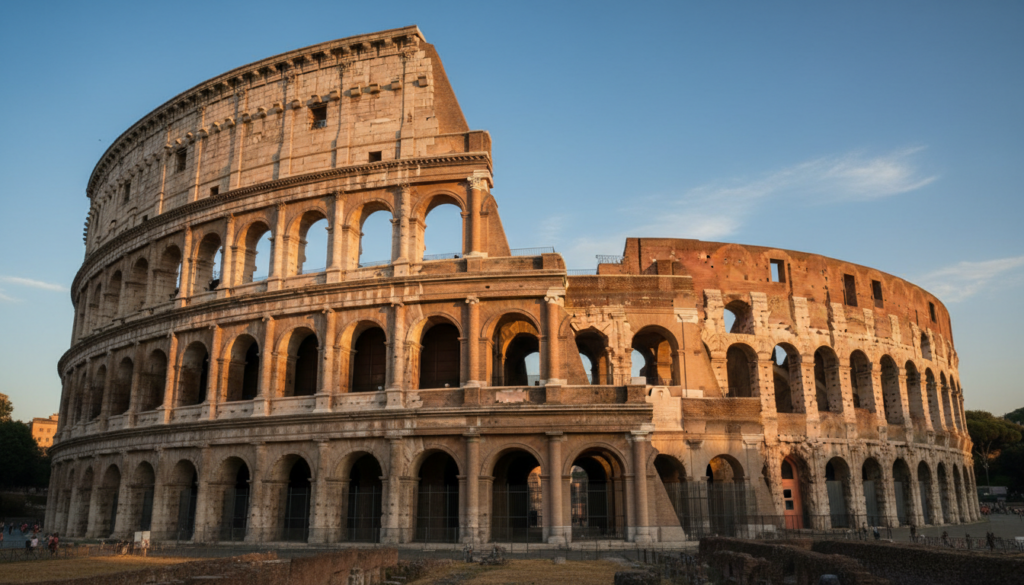
Italy is arguably the epicenter when it comes to the ancient ruins of Europe. My journey usually begins in Rome, a city where the modern and the ancient coexist in beautiful chaos. The Colosseum stands as the crown jewel of this vast archaeological heritage. The first time I stepped out of the Colosseum metro station and saw that massive travertine facade looming against the blue sky, my breath hitched. Walking through the arched corridors where gladiators once prepared for battle is a surreal experience.
But the classical marvels in Italy extend far beyond the capital. Traveling south to Pompeii offers an entirely different, more haunting perspective. Frozen in time by the catastrophic eruption of Mount Vesuvius in 79 AD, Pompeii is one of the most perfectly preserved classical cities in the world. Walking along its cobbled streets, peering into ancient bakeries and villas with intact frescoes, you get an unparalleled snapshot of Roman daily life.
If you want to master multi-city trip planning, combining Rome, Naples, and Pompeii is the perfect itinerary to experience the best of Italy’s history. The logistics are surprisingly manageable, and the reward is a deep dive into an era that continues to fascinate the global imagination.
Unearthing Greece: The Cradle of Democracy
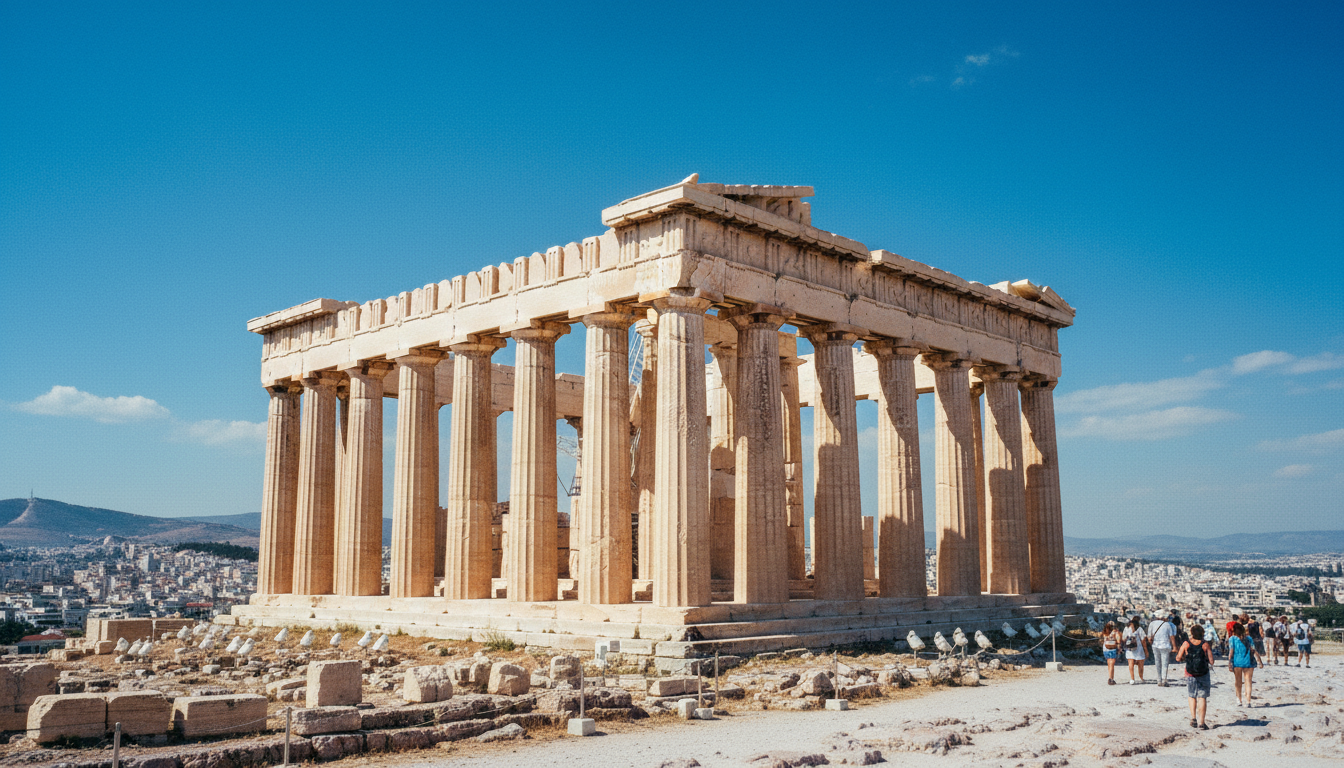
You simply cannot discuss the ancient ruins of Europe without bowing to the legacy of Greece. Athens is a city crowned by history, and the Acropolis is its shining beacon. Making the steep climb up to the Parthenon in the early morning light is an absolute must. Standing atop that sacred rock, looking out over the sprawling white cityscape, you truly understand why these hilltop sanctuaries are so deeply revered.
The Parthenon, dedicated to the goddess Athena, represents the absolute zenith of Doric architecture. Every time I visit, I find myself marveling at the mathematical precision and artistic vision of the ancient Greeks. Beyond Athens, venturing to Delphi or Olympia expands your appreciation for diverse historical landmarks. Delphi, nestled on the slopes of Mount Parnassus, was considered the center of the world in antiquity. The mystical aura there is palpable.
These majestic sites are not just architectural achievements; they are the birthplaces of democracy, theater, and Western philosophy. Exploring them feels like a pilgrimage to the roots of our modern societal structures. They remind us of the intellectual giants who laid the groundwork for the societies we live in today.
Hidden Gems Among the Ancient Ruins of Europe
While Rome and Athens steal the spotlight, I’ve found some of my most rewarding moments exploring the lesser-known ancient ruins of Europe. Take Spain, for example. Many travelers overlook the Iberian Peninsula’s Roman heritage, but if you are wondering is Spain worth adding to your travel bucket list, its archaeological sites will convince you. The archaeological remnants found in Tarragona are spectacular.
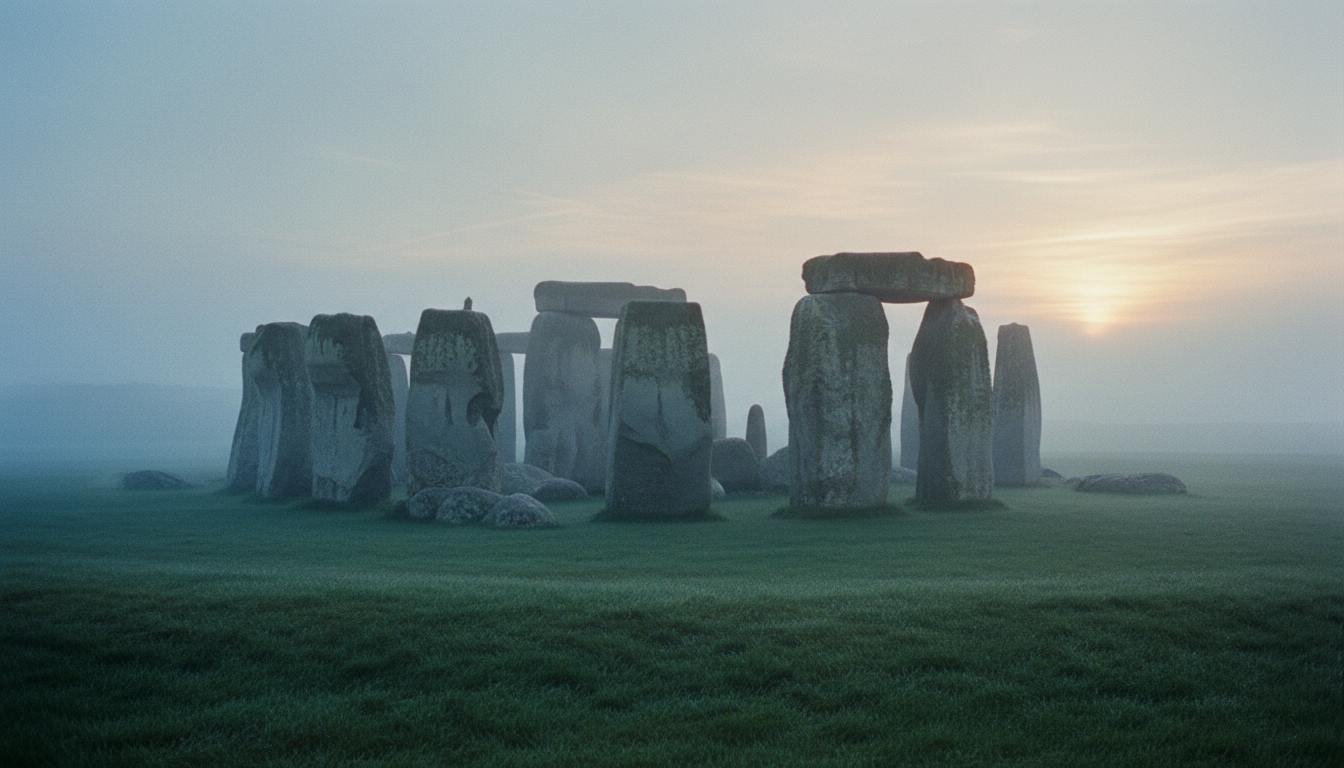
Sitting in a Roman amphitheater that overlooks the sparkling Mediterranean Sea is an experience I will never forget. Moving further north, the United Kingdom offers a completely different flavor of prehistoric engineering. The megalithic structures of Stonehenge remain shrouded in mystery. Visiting Stonehenge at dawn, watching the mist roll over the Salisbury Plain, is deeply atmospheric.
It reminds you that the ancient ruins of Europe encompass far more than classical marble and stone; they include Neolithic wonders that challenge our understanding of prehistoric capabilities. Expanding your itinerary to include these varied sites ensures a much more comprehensive understanding of the continent’s deep past.
The Logistics of Exploring the Ancient Ruins of Europe
Planning a massive expedition to see the ancient ruins of Europe requires careful preparation. Trust me, I’ve learned the hard way that spontaneity doesn’t always work when visiting world-renowned heritage sites. First and foremost, you need to book your tickets in advance. The most iconic landmarks have strict daily visitor caps.
Utilizing some of the best travel hacks, like booking skip-the-line passes or private early-access tours, can completely transform your experience. You avoid the crushing midday crowds and the grueling summer heat. When it comes to booking your journey, knowing how to find the best flight deals allows you to allocate more of your budget toward guided tours and immersive experiences.
Let’s talk about packing. Exploring these vast sites involves a tremendous amount of walking on uneven, ancient cobblestones and dirt paths. A reliable packing light guide is your best friend here. Bring incredibly comfortable, broken-in walking shoes, a reusable water bottle, and exceptional sun protection. The sun beating down on these exposed stone complexes can be brutal, particularly in the Mediterranean summer.
Furthermore, I highly recommend downloading a few essential travel apps that offer offline audio guides and historical context maps. Having an expert historian whispering in your ear while you wander the dusty pathways adds a layer of depth that is entirely invaluable.
The Importance of Sustainable Tourism at the Ancient Ruins of Europe
As passionate travelers, we bear a heavy responsibility when visiting the ancient ruins of Europe. These sites have survived for thousands of years, but the sheer volume of modern tourism poses a significant threat to their preservation. It breaks my heart to see tourists climbing on fragile walls or taking pieces of stone as souvenirs.
When exploring these historic locations, practicing sustainable travel is not optional; it is mandatory. We must tread lightly. Stick to the designated wooden walkways, respect the barriers, and never touch the ancient frescoes or mosaics. The oils from human skin can cause irreversible damage to the surfaces of these precious structures.
Additionally, consider visiting during the shoulder seasons. Not only do you get a more peaceful, intimate experience, but you also help distribute the economic benefits of tourism throughout the year, reducing the immense strain on local infrastructure during peak summer months. By adopting a mindset of preservation, we ensure that these wonders will remain intact for our grandchildren and their grandchildren to marvel at.
Beyond the Stones: Connecting with Local Cultures
One of the greatest joys of exploring the history of the continent is the opportunity to immerse yourself in the vibrant modern cultures that surround them. The contrast is fascinating. After spending hours walking through silent, majestic pillars, stepping out into a bustling Italian piazza or a lively Greek taverna brings you right back to the present.
I always make it a point to sit at a local cafe near whichever site I happen to be visiting, order a traditional meal, and just observe the flow of daily life. It reminds me that while the stones belong to the past, the spirit of those civilizations lives on in the food, the language, and the people.
When you are visiting the ancient Roman theaters in Spain, for example, transitioning from a morning of exploring Roman aqueducts to an afternoon of eating authentic tapas creates a beautifully rounded travel experience. This holistic approach makes your journey to these incredible destinations infinitely more rewarding.
Reflections on My Journey Through the Ancient Ruins of Europe
As I look back on all my expeditions, the memories that stand out the most are those quiet, reflective moments spent among the ancient ruins of Europe. Sitting alone on a stone bench in Pompeii, or watching the sunset cast long golden shadows across the Roman Forum, I am always struck by a profound sense of continuity. We are all part of an ongoing human story.
These monuments are the physical anchors of that story. They challenge us to think bigger than our immediate lives and to recognize the incredible ingenuity and resilience of our ancestors. If you haven’t yet embarked on a quest to see these magnificent places, I urge you to start planning. It will ignite your imagination, broaden your historical perspective, and leave you with a sense of wonder that few other travel experiences can provide.
The ancient ruins of Europe are waiting out there, holding the secrets of the ages in their weathered stones. All you have to do is pack your bags, step out your front door, and be willing to listen to what these sacred places have to teach you.