Recommended for you
How to Overcome Travel Anxiety: My Ultimate Guide to Stress-Free Journeys
Traveling opens the door to unforgettable experiences, from discovering new cultures and tasting exotic dishes to marveling at breathtaking mountains or relaxing in luxury resorts. But let us be completely honest for a second. For many of us, the mere thought of packing a suitcase and leaving the safety of our homes triggers an overwhelming sense of dread. If you are reading this, you are likely looking for a way to stop the panic. Learning how to overcome travel anxiety changed my life entirely, transforming me from someone who would lose sleep weeks before a flight into a confident explorer who actually enjoys the journey. If you want to overcome travel anxiety, you are not alone. Millions of people struggle with this hidden burden, letting fear dictate their vacation choices or, worse, keeping them grounded forever.
Understanding What It Means to Overcome Travel Anxiety
Before we dive into actionable tips, we need to address what we are actually fighting. Understanding how to overcome travel anxiety begins with acknowledging that it is a legitimate psychological response. It is not just a case of simple pre-trip jitters. It manifests physically with sweaty palms, a racing heart, digestive issues, and a barrage of intrusive “what if” thoughts. What if I miss my flight? What if I lose my passport? What if I get sick in a foreign country? Those who overcome travel anxiety know that these feelings are valid, but they also know they do not have to be permanent.
The journey to overcome travel anxiety is deeply personal. For me, the panic usually set in exactly 48 hours before departure. My mind would race, creating catastrophic scenarios out of thin air. Before I could overcome travel anxiety, I had to realize that my brain was simply trying to protect me from the unknown. Exploring unfamiliar territory naturally puts our nervous system on high alert. However, with the right strategies, you can retrain your brain to see travel as an exciting adventure rather than a life-threatening threat.
Identifying Your Triggers
A major step to overcome travel anxiety is identifying exactly what sets off your panic. Anxiety is rarely a vague cloud; it usually stems from specific fears. Once you identify triggers, you can overcome travel anxiety by tackling those specific concerns logically. Do you dread the airport environment? Do you have a severe fear of flying? Are you terrified of language barriers, or are you worried about safety? Take a moment to sit down and write out your biggest fears.
- Fear of Flying (Aviophobia): This is incredibly common. The feeling of being trapped in a metal tube miles above the earth causes immense stress.
- Loss of Control: Delays, cancellations, and unfamiliar transit systems can make perfectionists feel entirely out of control.
- Safety Concerns: Worrying about pickpockets, getting lost, or encountering a medical emergency abroad.
- Sensory Overload: Navigating crowded airports, loud train stations, and bustling foreign streets.
Many travelers overcome travel anxiety through meticulous planning that specifically targets these triggers. For example, if safety is your main concern, reading up on solo travel tips can empower you with the knowledge you need to navigate new streets confidently.
Preparation: The Best Way to Overcome Travel Anxiety
You cannot overcome travel anxiety if you ignore the power of preparation. Planning is your absolute best defense against the unknown. To overcome travel anxiety effectively, I rely on a strict pre-trip routine. It eliminates the last-minute rush, which is notorious for spiking cortisol levels.
When trying to overcome travel anxiety, packing light and early is essential. Rushing to find your favorite sweater hours before your flight is a recipe for a meltdown. I highly recommend using a comprehensive travel planning guide to map out your itinerary, ensuring you have ample buffer time between activities. Do not overpack your schedule. Leave room for rest. It is easier to overcome travel anxiety when you have absolute clarity on your logistics.
Another crucial element of preparation is securing proper documentation and protection. To help overcome travel anxiety, consider purchasing comprehensive travel insurance. Knowing you are financially protected in the event of a canceled flight or medical emergency lifts a massive weight off your shoulders. Check out our travel insurance guide for tips on finding the best coverage. Have physical and digital copies of your passport, hotel bookings, and emergency contacts. The more safety nets you build, the quieter the anxious voice in your head becomes.
Navigating the Airport and the Fear of Flying
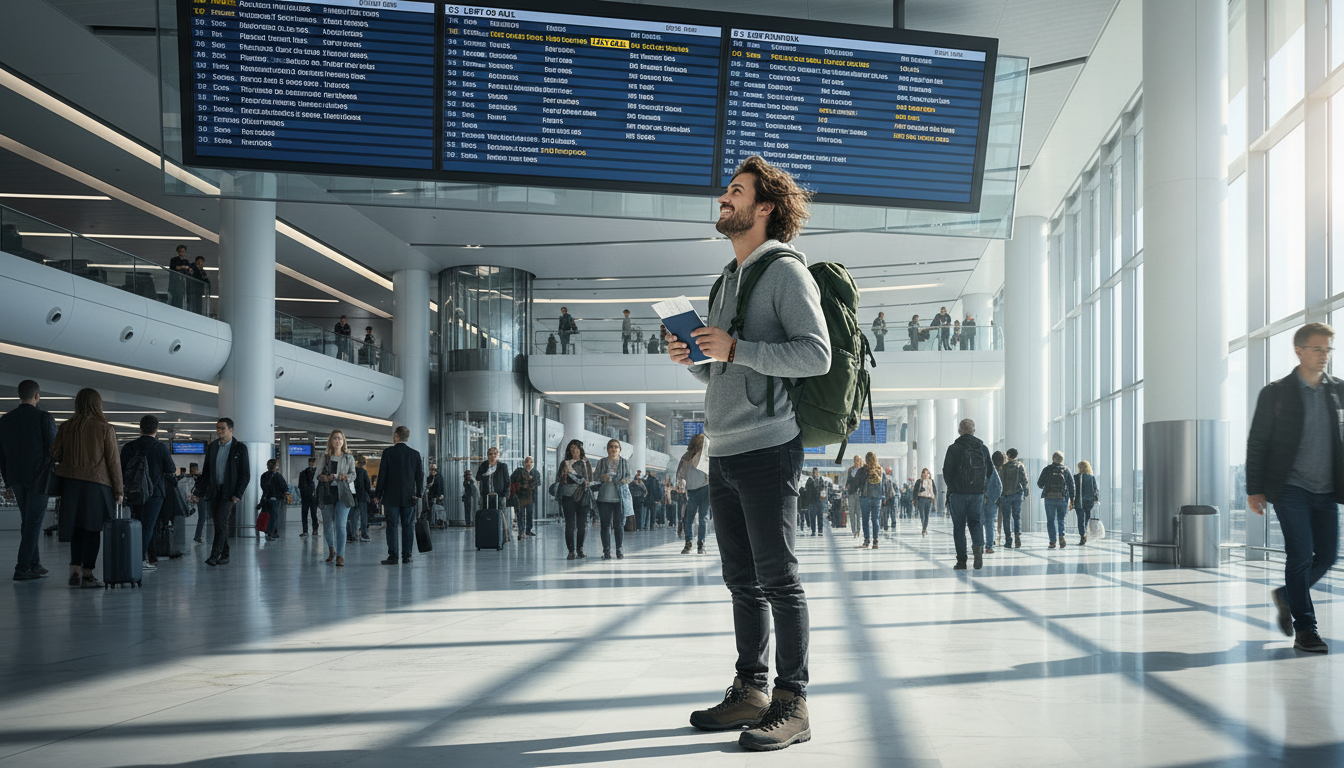
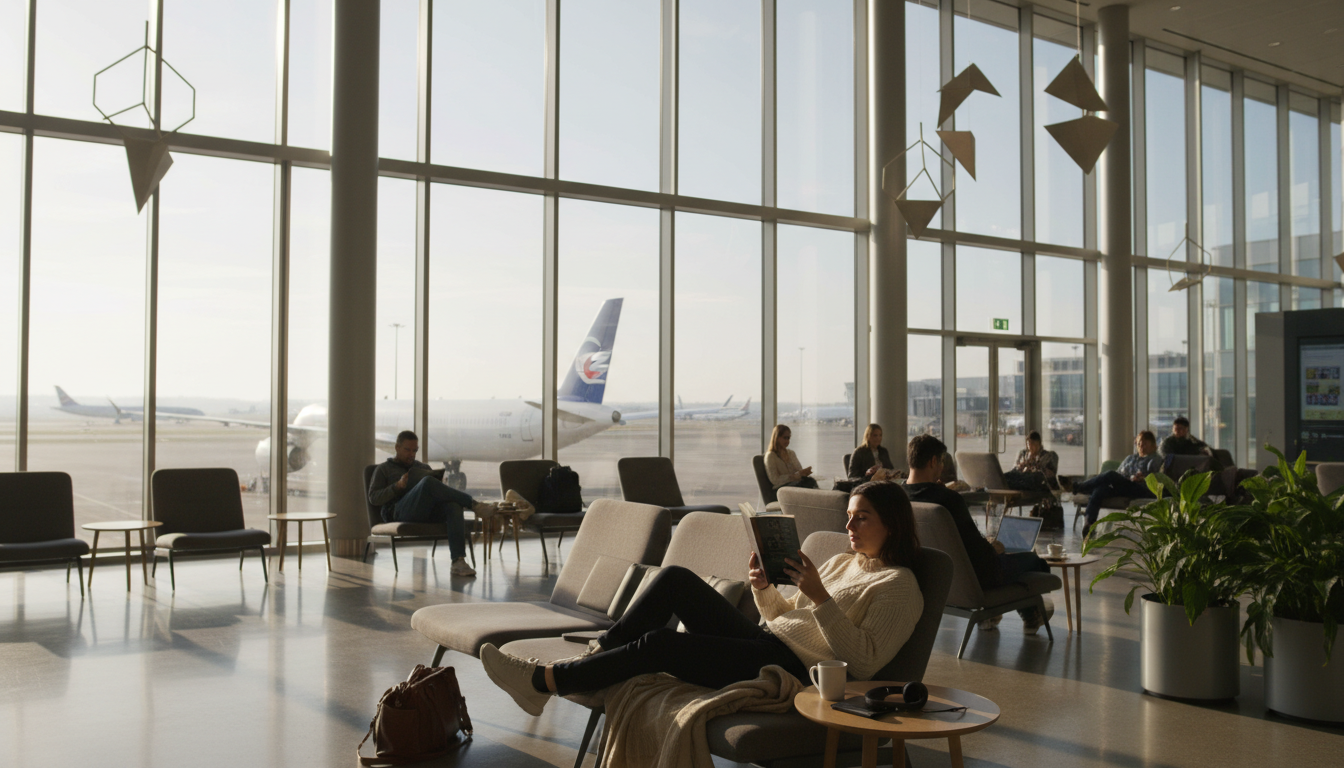
The airport is often the crucible where travel stress reaches its boiling point. I learned to overcome travel anxiety at the airport by treating the terminal not as an obstacle, but as the first stage of my vacation. Arrive ridiculously early. Seriously, get to the airport three hours before a domestic flight if you have to. Having time to grab a coffee, read a book, and casually walk to your gate prevents the adrenaline spike of rushing through security.
If you struggle to overcome travel anxiety on planes, distraction and comfort are your best friends. Download your favorite movies, podcasts, or calming playlists before you leave your house. Invest in high-quality noise-canceling headphones to block out engine noise and crying babies. Another way to overcome travel anxiety is deep breathing. When turbulence hits—and it will—practice the 4-7-8 breathing method: inhale for four seconds, hold for seven, and exhale for eight. This physically forces your heart rate to slow down, signaling to your brain that you are safe.
Furthermore, do not underestimate the physical toll of flying. Dehydration and lack of sleep exacerbate emotional instability. Drink plenty of water and avoid excessive caffeine or alcohol, which can artificially trigger panic responses. If you are crossing multiple time zones, knowing how to beat jet lag will help you arrive feeling physically grounded, making it significantly easier to manage your emotions.
Coping Mechanisms When You Reach Your Destination
The plane has landed, you have retrieved your luggage, and you are finally in your hotel room. You would think the anxiety would disappear, but sometimes the reality of being far from home hits hard. To overcome travel anxiety upon arrival, give yourself permission to take it slow. You do not need to rush out and see the Eiffel Tower or the Colosseum the very first day. Unpack your bags. Put your toiletries in the bathroom. Make your hotel room feel like a safe “home base.”
You will overcome travel anxiety much faster if you establish a small routine. I always start my mornings abroad by finding a quiet local cafe, ordering a coffee, and writing down my thoughts. Maintaining a travel diary is therapeutic. If you want to learn how to structure this habit, reading a travel journaling guide can provide wonderful inspiration. Writing down your fears transfers them from your racing mind onto paper, significantly reducing their power over you.

When Things Go Wrong (And They Will)
Can you overcome travel anxiety forever? The realistic answer is that you learn to manage it, rather than erase it completely. Travel is inherently unpredictable. Trains will be delayed, language barriers will cause embarrassing misunderstandings, and it might rain on the day you planned a major outdoor excursion. Even if you fully overcome travel anxiety, bad days will still happen. The goal is resilience, not perfection.
When disaster strikes, pause and assess the actual danger versus the perceived inconvenience. Missing a train is an inconvenience; it is not a life-threatening crisis. If you find yourself in the middle of a less-than-ideal situation, do not panic. Read up on dealing with a bad vacation to learn how to salvage a trip when things go sideways. The ability to pivot and find humor in travel mishaps is a superpower that neutralizes anxiety almost instantly.
Seeking Professional Help
Sometimes, breathing exercises and packing lists are not enough. If your panic attacks are severe enough to cause physical illness or completely prevent you from leaving your house, there is absolutely no shame in seeking medical advice. Professional therapists can help you overcome travel anxiety through Cognitive Behavioral Therapy (CBT) and exposure therapy. In some cases, a doctor may prescribe anti-anxiety medication to help you manage the physical symptoms during flights. Treat your mental health with the same seriousness you would a broken leg.
Conclusion: Your World Awaits
Never let the fear stop you; you can overcome travel anxiety and experience the profound beauty this world has to offer. The ancient ruins of Rome, the pristine beaches of Bali, and the bustling markets of Marrakech are all waiting for you. It requires patience, immense self-compassion, and a willingness to step outside your comfort zone incrementally. I hope my story helps you overcome travel anxiety and empowers you to book that ticket you have been dreaming about. Deciding to overcome travel anxiety is the best choice I ever made, and I promise you, the joy of travel is worth every single moment of discomfort it takes to get there.