Recommended for you
Master the Skies: How to Beat Jet Lag and Travel Like a Pro
Crossing multiple time zones is an exhilarating part of global exploration, but it often comes with a physical price. I remember my first long-haul trip from New York to Tokyo; I was thrilled, yet I spent the first three days walking around like a zombie. Learning how to beat jet lag became my personal mission, the holy grail for frequent flyers and vacationers alike. Desynchronosis, commonly known as jet lag, occurs when your body internal clock falls out of sync with the local time at your destination. This misalignment results in profound fatigue, deep disorientation, and a compromised immune system, potentially ruining the first few precious days of your trip. But figuring out how to beat jet lag can transform your entire travel experience from a grueling endurance test into a seamless adventure.
The Science Behind Desynchronosis
Your circadian rhythm is a brilliant 24-hour cycle that regulates everything from your sleep and hunger to your mood and alertness. When you fly across time zones faster than your body can naturally adjust, your internal biology remains stubbornly anchored to your point of origin. Understanding the science is the first step in learning how to beat jet lag. Symptoms vary dramatically from person to person but often include severe exhaustion, relentless insomnia, digestive distress, and uncharacteristic irritability. When you cross time zones, your brain is still releasing melatonin based on your home clock. By comprehending these biological mechanisms, we can implement strategies on how to beat jet lag with precision, hacking our body natural rhythms to align with our new environment.
Pre-Flight Strategies: How to Beat Jet Lag Before You Even Board
For years, I made the mistake of waiting until I landed to deal with the fatigue. If you are wondering how to beat jet lag effectively, the preparation must begin days before your flight. Shifting your internal clock gradually is a game-changer. If I am flying east, I start going to bed an hour earlier each night for three days prior to my departure. If I am flying west, I stay up an hour later. This subtle shift is a crucial element in how to beat jet lag because it minimizes the shock to your system.
Another pre-flight secret to how to beat jet lag is managing your exposure to light. Our bodies use light as the primary cue for sleep and wakefulness. By deliberately exposing myself to bright morning light when preparing for an eastward trip, I begin to trick my brain into advancing its sleep phase. Furthermore, staying hyper-hydrated in the days leading up to the flight prepares my body for the desiccating environment of the airplane cabin. Learning how to beat jet lag means treating your body like an athlete preparing for a marathon; the pre-game routine dictates the performance.
In-Flight Tactics: Mastering How to Beat Jet Lag in the Air
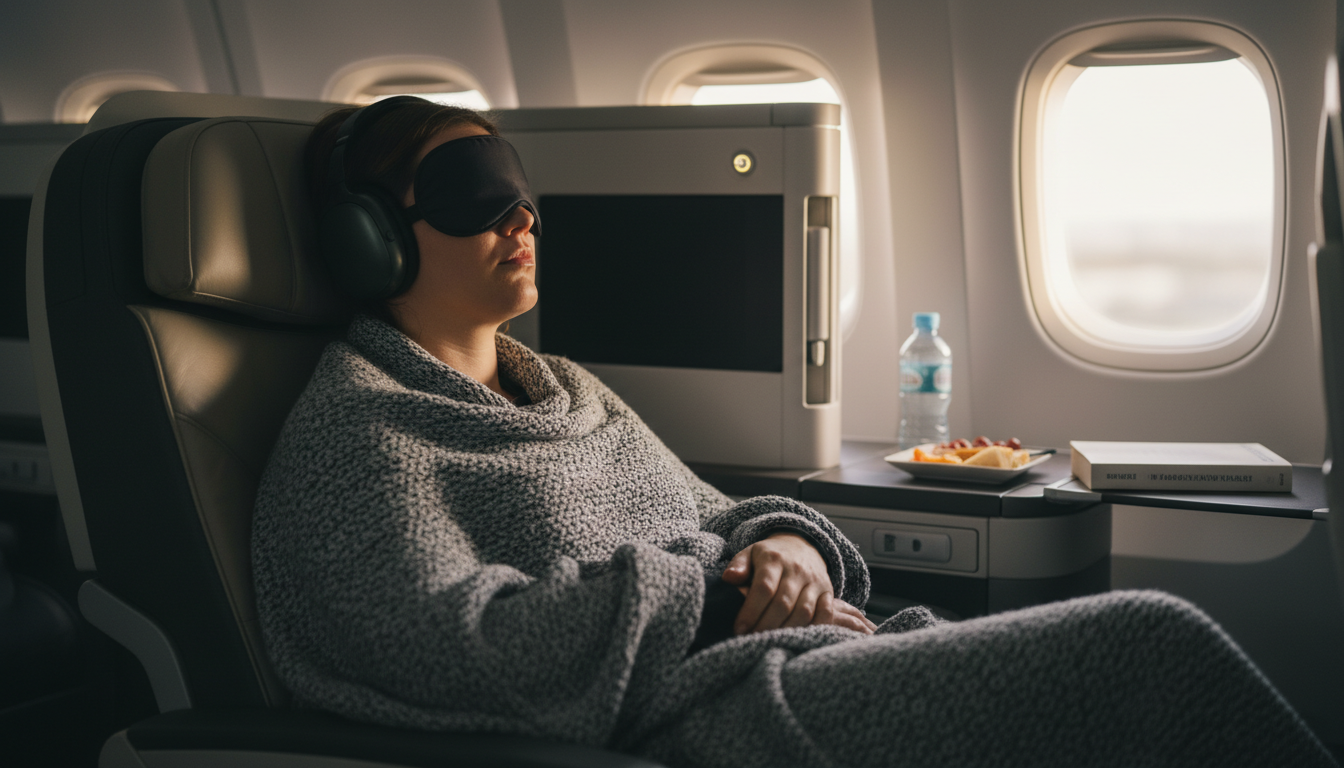
The moment I step onto the plane, I immediately change the time on my phone and watch to my destination local time. This psychological method for how to beat jet lag involves completely surrendering to the new time zone before the plane even takes off. If it is nighttime at my destination, I force myself to sleep, using noise-canceling headphones, a high-quality eye mask, and a comfortable neck pillow. If it is daytime there, I force myself to stay awake, no matter how heavy my eyelids feel. Watching a movie, reading a gripping book, or doing light stretches in the aisle keeps my mind active.
When people ask me how to beat jet lag, I always emphasize what to avoid in the air. The airplane cabin is a hostile environment with extremely low humidity. It is incredibly tempting to accept that free glass of wine or that third cup of coffee from the flight attendant, but doing so is a massive mistake. Alcohol and caffeine aggressively dehydrate you and disrupt the quality of your sleep. To succeed in how to beat jet lag, you must stick to water, and lots of it. I aim to drink at least eight ounces of water for every hour I am in the air. This single habit dramatically lessens the severity of jet lag symptoms upon arrival.

Arrival Protocols: How to Beat Jet Lag Once You Land
The most crucial phase in how to beat jet lag happens the moment your feet touch the ground. If you arrive in the morning or afternoon, you absolutely must resist the urge to go to your hotel room and take a nap. The bed will look like the most inviting thing in the world, but giving in will only prolong your misery. Instead, drop your bags and get outside. The ultimate weapon in how to beat jet lag is the sun. Natural sunlight is the most powerful tool you have to reset your circadian rhythm. It sends an immediate, undeniable signal to your brain that it is daytime, halting the production of melatonin.
I usually go for a brisk walk around the neighborhood. Not only does this help me get my bearings in a new city, but the light exercise increases blood flow and shakes off the lethargy of the long flight. To truly master how to beat jet lag, you need to sync your physical activity with the local schedule. Eat your meals at the local times, even if you are not particularly hungry. If you push through until at least 9:00 PM local time before going to sleep, you will wake up the next morning feeling remarkably refreshed. Knowing how to beat jet lag is about discipline during those first 12 hours.
Dietary Hacks: What to Eat When Figuring Out How to Beat Jet Lag
The role of nutrition in how to beat jet lag cannot be overstated. Digestion is deeply intertwined with our circadian rhythms. When you fly across the world, your stomach is just as confused as your brain. I employ a strategy known as the jet lag diet. On the day of travel, I eat light, easily digestible meals. Heavy, carbohydrate-rich meals can induce sluggishness, while lean proteins can help keep you alert.
Interestingly, fasting during the flight is a technique that many frequent flyers swear by when discussing how to beat jet lag. By withholding food until it is breakfast time at your destination, you can effectively reset your biological clock. Your body uses food intake as a secondary cue for time-keeping. When you break your fast at the destination morning hour, your body registers the start of a new day. Whether you fast or just eat light, managing your food intake is a vital component of how to beat jet lag.
Melatonin and Supplements in How to Beat Jet Lag
Inevitably, discussions on how to beat jet lag often turn to supplements. Melatonin is a naturally occurring hormone that regulates sleep, and taking it in synthetic form can be a highly effective way to signal to your body that it is time to rest. I usually take a small dose, about 1 to 3 milligrams, about 30 minutes before my target bedtime in the new time zone for the first two or three nights. This helps solidify the new sleep pattern.
However, melatonin is not a magic bullet, and timing is everything. Taking it at the wrong time can actually make jet lag worse. Alongside melatonin, I also rely on magnesium, which helps relax the muscles and calm the nervous system after a stressful travel day. Chamomile tea and tart cherry juice, which naturally contains melatonin, are also excellent natural remedies. Perfecting how to beat jet lag means finding the right combination of natural aids that work specifically for your body chemistry without leaving you groggy the next day.
The Overlooked Element: Hydration and Electrolytes in How to Beat Jet Lag
If there is one aspect that travelers consistently underestimate when researching how to beat jet lag, it is the profound impact of cellular dehydration. Airplane cabins are pressurized to simulate an altitude of about 6,000 to 8,000 feet, and the humidity levels are notoriously low, often dropping below 20%. This environment silently strips moisture from your body through your skin and your breath. Being dehydrated thickens your blood, slows down your cognitive functions, and exacerbates the feeling of exhaustion. To truly master how to beat jet lag, drinking plain water is a good start, but it sometimes is not enough. I always travel with electrolyte powder packets in my carry-on. Mixing electrolytes into my water bottle during the flight ensures that my body retains the hydration it desperately needs. This simple addition to my routine of how to beat jet lag has significantly reduced the headaches and muscle cramps I used to experience after a 14-hour haul.
The Psychological Aspect of How to Beat Jet Lag
Beyond the physiological symptoms, there is a strong psychological component to desynchronosis that we rarely discuss. When your body is completely out of sync with your surroundings, it can induce a subtle sense of anxiety, homesickness, or even mild depressive feelings. Mastering how to beat jet lag also means managing your mindset. I always remind myself that the disorientation is temporary and purely chemical. When you land and feel completely overwhelmed by the bustling streets of a new city while your brain insists it is 3:00 AM, it is easy to become irritable. Part of how to beat jet lag involves giving yourself grace. I schedule low-stress activities for my first day. Instead of booking a rigid, intensive museum tour immediately upon landing, I opt for casual exploration. I wander through local parks, sit at outdoor cafes to soak in the sunlight, and let my mind gently adapt to the new sensory inputs. Treating yourself with patience is just as crucial in the formula of how to beat jet lag as any physical remedy. By combining this mental fortitude with the physical strategies I have outlined, you create an unbreakable system.
Common Mistakes When Trying to Figure Out How to Beat Jet Lag
Through trial and error, I have identified several pitfalls that travelers fall into. Many people fail at how to beat jet lag because they rely heavily on sleeping pills. While prescription sleep aids might knock you out on the plane, they do not induce natural, restorative sleep, and they certainly do not help reset your circadian rhythm. You often wake up feeling worse, dealing with a hangover effect on top of the jet lag.
Another common mistake in the quest of how to beat jet lag is excessive screen time. The blue light emitted by phones, tablets, and laptops suppresses melatonin production. If you are trying to sleep on a flight or winding down in your hotel room, staring at a screen is counterproductive. I make it a rule to put away all electronic devices at least an hour before I want to sleep. Reading a physical book or listening to a calming podcast is a much better strategy for how to beat jet lag than scrolling through social media.
My Personal Routine on How to Beat Jet Lag
Let me share exactly how I perfected how to beat jet lag on a recent trip from London to Sydney, a notoriously brutal journey. Three days before, I started shifting my sleep schedule. On the day of the flight, I hydrated intensely. Once on the plane, I set my watch to Sydney time immediately. I skipped the in-flight movie marathon and instead used my noise-canceling headphones to listen to white noise, sleeping only when it was nighttime in Sydney.
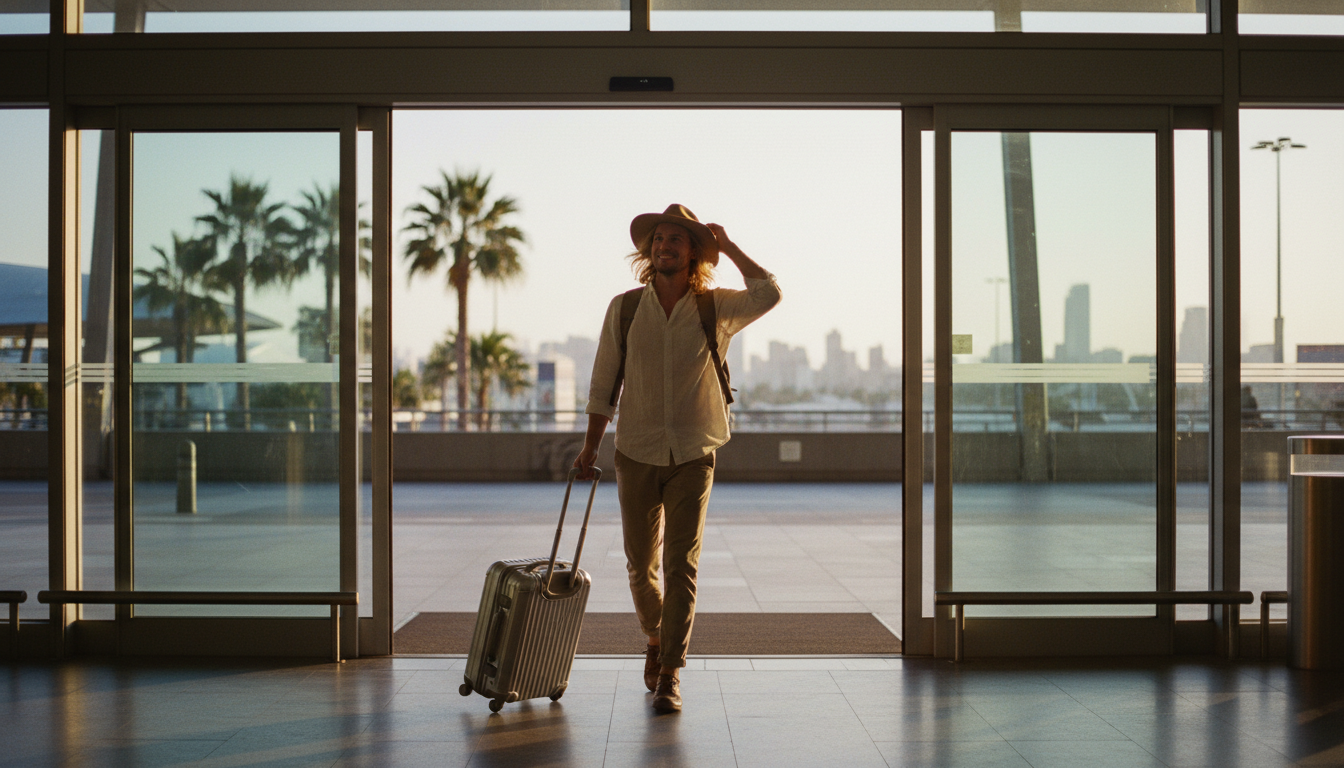
Upon arrival, it was early morning. I was exhausted, but I knew the rules of how to beat jet lag. I dropped my luggage, grabbed a light, protein-heavy breakfast, and walked along the harbor in the bright sunshine for two hours. I drank liters of water, completely avoided caffeine after 2:00 PM, and forced myself to stay awake until 9:30 PM. I took 2mg of melatonin and slept for a solid eight hours. The next morning, I woke up naturally at 6:00 AM, feeling completely adjusted. It was definitive proof that knowing how to beat jet lag works if you stick to the system meticulously.
Embracing the Journey
Ultimately, understanding how to beat jet lag gives you back the most valuable currency a traveler has: time. When you are not spending the first three days of a European vacation or an Asian business trip fighting off crushing fatigue, you can immerse yourself fully in the experience. You are sharper, more energetic, and more present.
While the physical toll of flying across the world will always exist, it does not have to control your itinerary. By preparing beforehand, managing your in-flight environment, and strictly controlling your light exposure and diet upon arrival, you can conquer the time zones. Now that you have mastered how to beat jet lag, the world is quite literally yours to explore, without the heavy burden of desynchronosis dragging you down. Safe travels, and enjoy every waking, energized moment of your next adventure.